
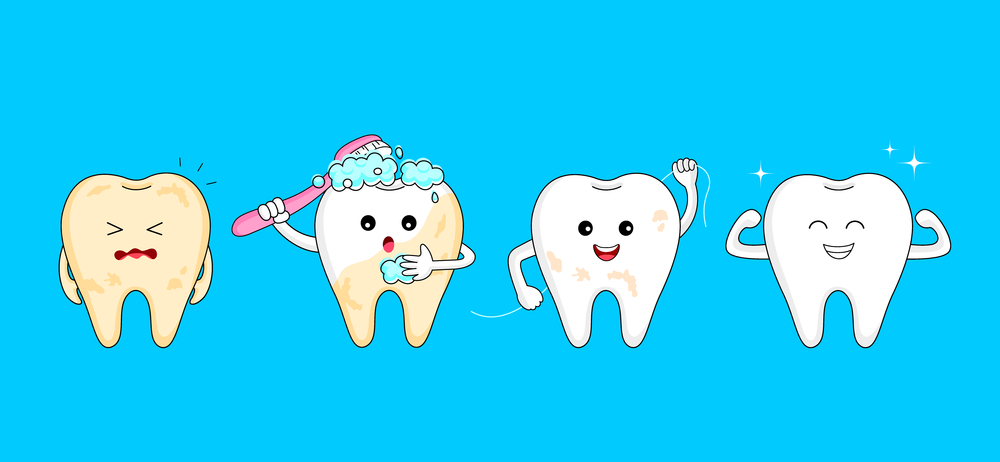
Parents often wonder, “Are discolored teeth normal?” when they notice unusual shades in their child’s smile. Consulting your family dentist in Mission, BC, can provide clarity, reassurance, and guidance.
Understanding what is typical, what requires attention, and how to promote healthy teeth helps parents support their child’s long-term dental health. So, if you have questions about your child’s smile, don’t wait. Contact Dr. Amol Shergill and the compassionate team at Wren Street Dental. Contact our dentist in Mission, BC, at (604) 820-8702 for information, appointments, and more!
Common Causes of Discolored Teeth
Discoloration in children can result from several factors. Foods and drinks like juice, chocolate, or berries can stain teeth over time. Poor oral hygiene may allow plaque and tartar buildup, which can also change tooth color. Trauma or injury to a tooth may darken the enamel or underlying dentin.
Asking, “Are discolored teeth normal?” helps parents determine if these changes are part of typical development or a sign of concern.
Natural Variations in Tooth Color
Some variation in enamel color is normal as children grow. Baby teeth are naturally whiter than permanent teeth. Permanent teeth may appear slightly yellow or off-white due to differences in enamel thickness and dentin beneath the surface.
Nevertheless, parents asking, “Are discolored teeth normal?” should remember that minor variations often do not indicate dental disease.
When Discoloration Signals a Problem
Not all discoloration is harmless. White spots may indicate early enamel decay. Brown, gray, or black areas can signal cavities, infection, or developmental enamel defects.
Parents should ask, “Are discolored teeth normal?” especially if the discoloration is sudden, widespread, or accompanied by pain, sensitivity, or swelling. Your family dentist in Mission, BC, can assess and treat these concerns promptly.
Medications and Medical Conditions
Certain medications or medical conditions can affect tooth color. Antibiotics like tetracycline, if taken during tooth development, may cause permanent staining. Chronic illnesses or nutritional deficiencies can also impact enamel formation. Understanding these factors helps parents answer the question, “Are discolored teeth normal?” and ensures timely evaluation.
Preventing Tooth Discoloration
Good oral hygiene is key. Brushing twice daily with a child-appropriate toothpaste, flossing, and regular dental checkups prevent stains and decay. Furthermore, limiting sugary drinks and snacks reduces the risk of enamel erosion.
Parents may ask, “Are discolored teeth normal?” when preventive habits are inconsistent, and correcting routines can improve appearance and health.
Cosmetic and Restorative Options
For persistent or severe discoloration, your family dentist in Mission, BC, may recommend treatments. Options include:
- Professional cleaning
- Enamel microabrasion
- Safe whitening procedures suitable for children
Early consultation with Dr. Shergill ensures that cosmetic choices do not interfere with healthy dental development.
Bright, Healthy Smiles Start at Wren Street Dental
So, are discolored teeth normal? In many cases, minor variations in shade are typical and not harmful. However, sudden, severe, or persistent discoloration warrants professional evaluation.
Click here to consult a family dentist in Mission, BC, or call Wren Street Dental at (604) 820-8702 to help your child maintain a healthy, confident smile that lasts a lifetime.