
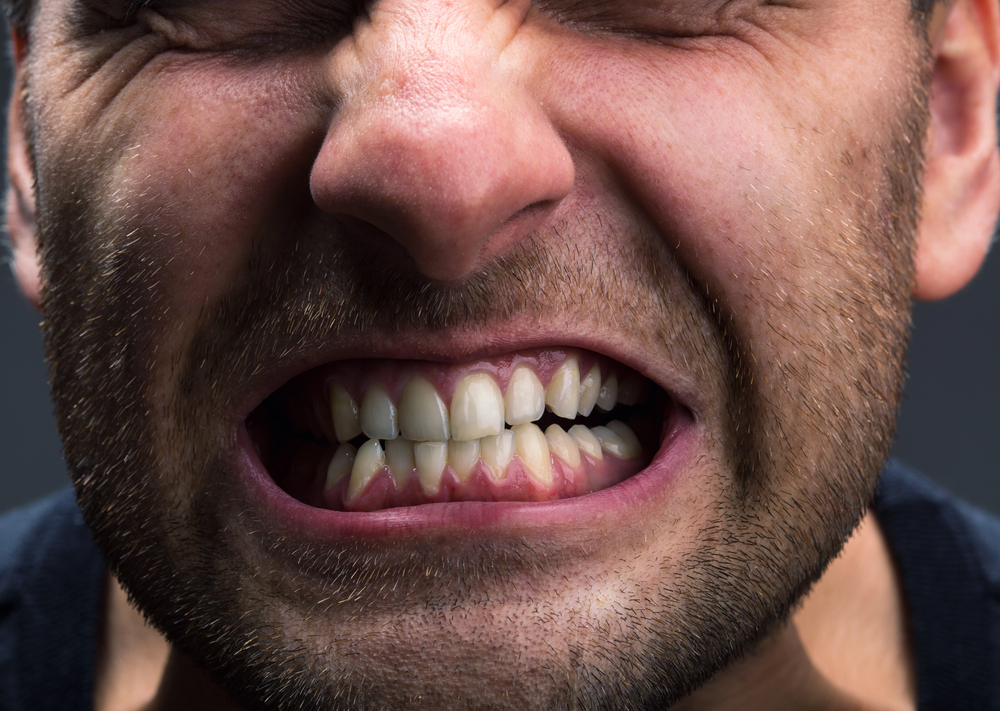
If you or a loved one experiences nighttime teeth grinding, then you may not realize that another hidden health issue could be involved. Your dentist in Mission, BC, often sees patients who think teeth grinding (medically called bruxism) is just a dental habit. However, growing research suggests that sleep apnea may be a common trigger for nighttime grinding.
Addressing conditions like sleep apnea and bruxism can help protect your oral health and improve your sleep quality. Luckily, simple solutions exist. Call (604) 820-8702 to learn more about your options with Dr. Amol Shergill during an in-depth evaluation at Wren Street Dental today.
What Is Sleep Apnea?
Sleep apnea is a condition in which breathing repeatedly and abruptly stops and starts during sleep. These breathing pauses can lower oxygen levels and fragment normal sleep patterns. The most common form, obstructive sleep apnea (OSA), occurs when the airway becomes blocked or collapses during sleep.
People with untreated sleep apnea often experience loud snoring, gasping for air, restless sleep, and daytime fatigue. If you notice these symptoms along with teeth grinding, your dentist in Mission, BC, may suggest further evaluation to determine whether sleep apnea could be contributing to the problem.
Understanding Sleep Bruxism
Sleep bruxism is the involuntary gritting, grinding, or clenching of teeth during sleep. Most individuals with sleep bruxism are unaware of the behavior until a partner hears grinding or clicking noises, or until a dental professional detects wear on the tooth surfaces.
Your dentist in Mission, BC, looks for certain signs during dental exams, such as flattened tooth surfaces, cracked enamel, jaw soreness, and muscle tension. These signs can indicate that grinding is happening regularly and may be linked to deeper issues like sleep apnea.
How Sleep Apnea May Trigger Teeth Grinding
Experts theorize that sleep apnea can cause frequent micro-arousals. These micro-arousals are brief interruptions in the sleep cycle that the sleeper may not remember. This is important because sleep interruptions activate the nervous system, which can stimulate muscle contractions in the jaw.
Since bruxism is often linked to jaw muscle activity during light sleep stages, the nervous system’s response to airway obstruction may inadvertently trigger grinding.
This means teeth grinding might not be the cause of sleep apnea, but rather a symptom or response to disrupted breathing during sleep.
Why Early Detection Matters
Untreated sleep apnea and bruxism can have significant consequences for both oral and systemic health. From an oral perspective, chronic grinding may lead to:
- Deep enamel wear
- Sensitive or chipped teeth
- Jaw joint stress and pain
- Temporomandibular joint (TMJ) disorders
Your dentist in Mission, BC, plays a key role in identifying early signs of both conditions and coordinating care with sleep medicine specialists.
Treat Nighttime Teeth Grinding with Your Dentist in Mission, BC
If you notice signs of nighttime grinding, snoring, or poor sleep quality, click here to request an evaluation from your dentist in Mission, BC. Want to call Wren Street Dental directly? Dial (604) 820-8702 to learn more about how you can protect your dental health and improve your overall well-being.