
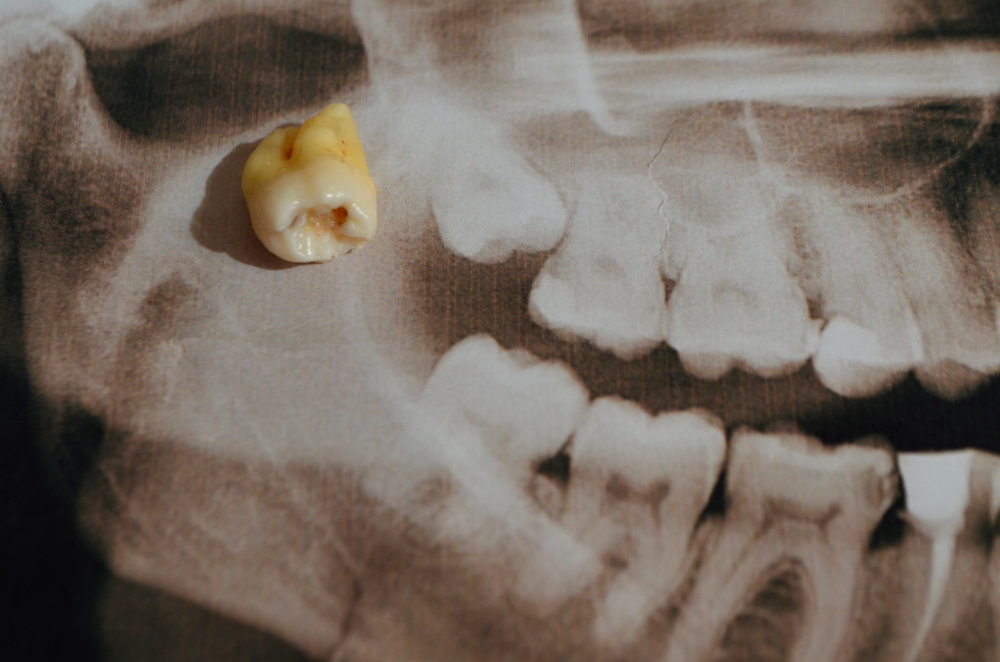
Our dentist in Mission, BC, often monitors wisdom teeth before recommending surgery. Careful observation allows our team to evaluate long-term oral health risks. Subsequently, this conservative approach supports better decision-making in modern restorative dentistry, where preserving healthy structures remains a priority.
Monitoring wisdom teeth over time helps determine whether they will function normally or cause complications. Have questions about the health of your third molars? Call (604) 820-8702 to get answers with Dr. Amol Shergill at Wren Street Dental today!
Why Dentists Prefer Monitoring First
Immediate removal is not always necessary. Dr. Shergill often observes wisdom teeth during routine dental visits to identify potential problems early.
Monitoring allows our team to track growth direction, gum health, and surrounding bone structure. These observations help determine whether the teeth will remain stable or eventually cause issues.
Many patients keep their third molars without complications. Removing them too early may expose patients to unnecessary surgical procedures. So, observation helps determine the best timing if extraction becomes necessary later.
When Wisdom Teeth Cause Problems
Although some patients keep their third molars safely, others develop complications. Impacted wisdom teeth occur when the tooth cannot fully break through the gum, leading to inflammation, infection, or cyst formation. These issues may also damage nearby teeth if left untreated.
Another common concern involves partial eruption. When wisdom teeth only break through the gum slightly, bacteria can collect beneath the tissue. This area becomes difficult to clean and increases infection risk.
Research Insight Into Unnecessary Wisdom Tooth Removal
Modern research shows that not every patient benefits from the removal of symptom-free third molars. Indeed, there is limited evidence supporting the removal of healthy wisdom teeth without disease.
Researchers concluded that careful monitoring often provides a safe alternative to immediate extraction. This finding has influenced clinical guidelines worldwide. As a result, dentists increasingly rely on long-term observation before recommending surgery.
Signs That Removal May Be Necessary
While monitoring is common, certain symptoms may indicate that removal is the best option. Look for signs such as:
- Pain near the back of the jaw
- Persistent sinus pressure
- Swelling
- Gum irritation
- Repeated cavities and infections around wisdom teeth
Dr. Shergill evaluates these symptoms carefully during routine examinations to help prevent more complex oral health problems.
Long-Term Benefits of Monitoring
Observation offers several advantages for patients. Chiefly, Dr. Shergill can track growth patterns and intervene only if risks increase.
Moreover, monitoring wisdom teeth allows Dr. Shergill to plan procedures at the safest time. For example, younger patients usually heal faster after surgical treatment. At the same time, patients who never develop complications can avoid surgery entirely.
Protect Your Oral Health – Contact Wren Street Dental in Mission, BC, Today
Regular dental visits with Dr. Amol Shergill remain essential for tracking the development of wisdom teeth. Careful observation supports patient safety while reducing unnecessary procedures.
However, if you notice signs of a problem, don’t wait. Click here to book a wisdom tooth evaluation at Wren Street Dental, or call our front desk at (604) 820-8702 for scheduling.