
Two terms that often confuse patients are restorative dentistry and regenerative dentistry. Although they sound similar, your Mission, BC, dentist says they have very different goals and techniques.
Restorative dentistry aims to treat oral issues using synthetic materials. Regenerative dentistry, however, is a developing field focused on triggering biological mechanisms that promote natural healing and regrowth. Want to learn more with your Mission, BC, dentist? Contact Dr. Amol Shergill at (604) 820-8702 to book a consultation at Wren Street Dental today.
What Is Restorative Dentistry?
Restorative dentistry focuses on repairing or replacing damaged or missing oral structures. A Mission, BC, dentist uses restorative treatments to restore normal function, comfort, and appearance.
These treatments do not make living tissue regrow. Instead, they use durable, artificial materials that mimic natural tissues. Examples of restorative dentistry include:
- Dental fillings for cavities
- Crowns for broken teeth
- Bridges or dentures for missing teeth
- Implants to replace tooth roots and support prosthetics
What Is Regenerative Dentistry?
Regenerative dentistry shifts the focus from substitution to biological restoration. Instead of replacing lost structures with artificial materials, regenerative dentistry aims to help the body grow back its own tissues.
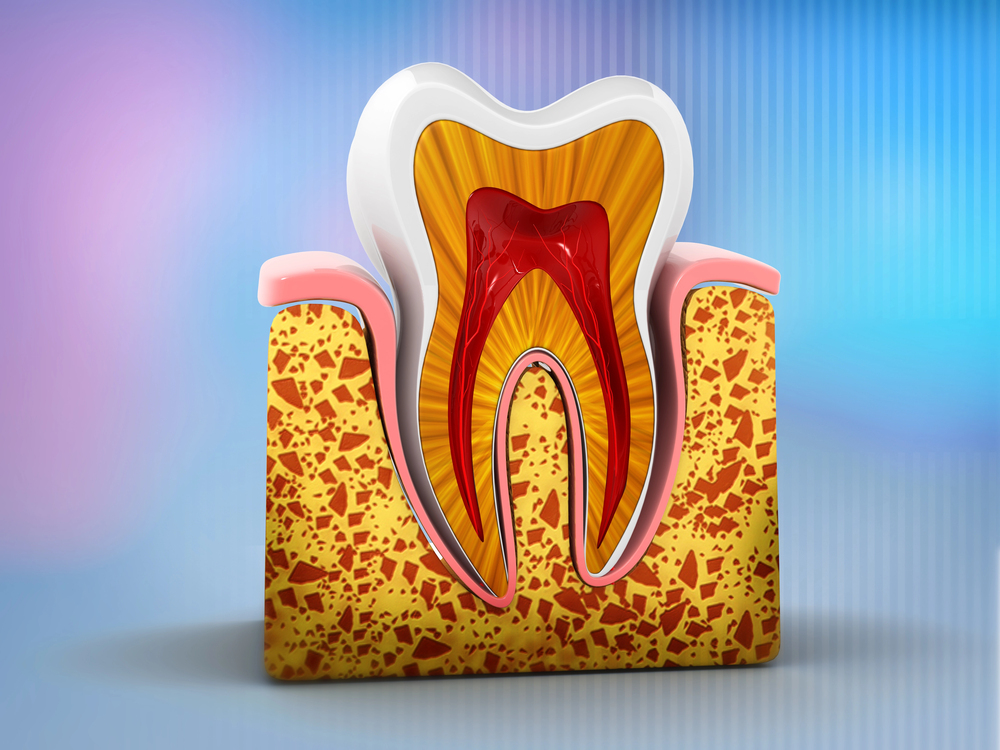
Your Mission, BC, dentist says this approach may enable the body’s internal healing systems. As a result, regenerative dentistry uses tools such as stem cells, growth factors, and biocompatible scaffolds to rebuild:
- Bone that supports teeth
- Dental enamel
- Gum and periodontal ligament tissues
- Dental pulp inside teeth
This approach is still growing but shows promising results for some dental conditions.
How Do They Differ in Technique?
Restorative dentistry typically uses materials such as composite resin, ceramics, and metal alloys. These materials are strong and long-lasting, but they do not become part of the body’s living tissues.
In contrast, regenerative dentistry involves:
- Stem cells that can form bone, connective tissue, or dental pulp
- Growth factors that signal cells to grow and repair
- Scaffolds that provide support for new tissue formation
These biological tools work with the body to rebuild structures more naturally.
Interesting Fact Backed by Research
Recent scholarly evidence shows that regenerative endodontic procedures can stimulate the formation of vital pulp-like tissue with blood vessels and nerve fibers inside previously infected teeth. This emerging evidence suggests that the body can generate living tissue in areas where conventional treatments once only removed infection and filled space.
These findings help explain why regenerative dentistry is gaining interest among specialists and general dentists alike, including your Mission, BC, dentist.
When a Mission, BC, Dentist Considers Regenerative Dentistry
Regenerative approaches may be considered when:
- Bone loss limits implant placement
- Thinning enamel leads to increased decay
- Periodontal disease has damaged the supporting tissues
- Tooth pulp needs biological healing
- The patient’s biology supports regeneration
Not all clinics offer regenerative options yet, but it is worth asking your Mission, BC, dentist about these innovations and how they can improve your oral and overall health.
Explore Smile Restoration and Regeneration with Your Mission, BC, Dentist
Restorative dentistry focuses on replacing and repairing damaged structures with reliable materials. Regenerative dentistry, however, aims to help the body rebuild living tissues when possible.
If you are curious about how regenerative dentistry may apply to your care, click here to talk with your Mission, BC, dentist, or contact Dr. Shergill and the team at Wren Street Dental at (604) 820-8702 for more information.